

Getting too many results? To search for an exact phrase, try putting multiple word phrases in quotation marks (such as "Saint Mother Theodore") to narrow your results.
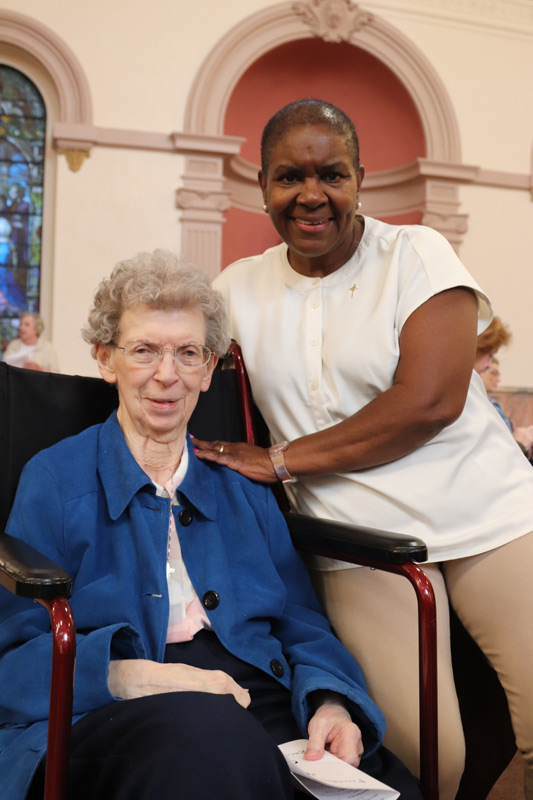
...learned to lean all my weight, no matter the load, on Providence. Without her Providential love and care, I’m afraid to think where I would be today. A Beacon of Hope When the white flight flew from our area, our community became African American. Again, “What would Jesus do?” Sister Jo remained and was proud to become part of us. She would stay abreast and was very much a part of the community activities. No matter what was happening, she...
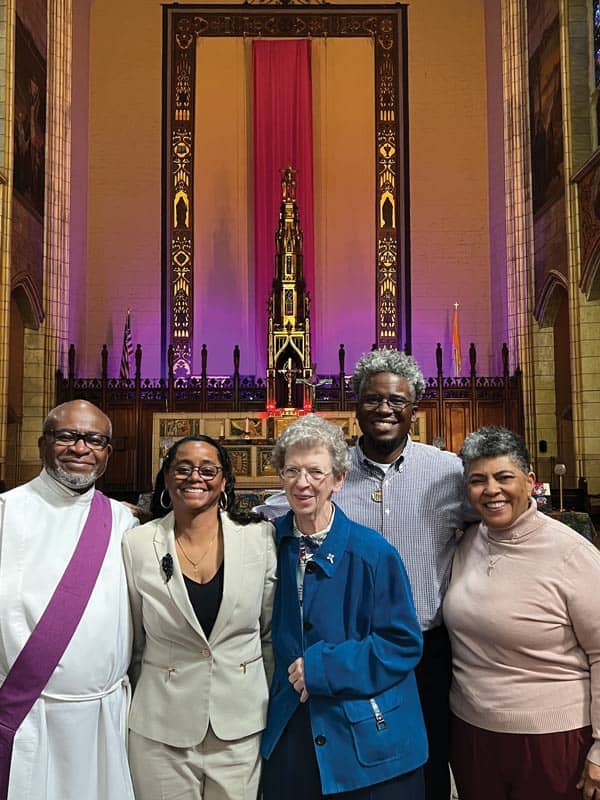
...did Sister Joseph Ellen find in the new residents? “They were really good families.” Sister Joseph Ellen with Providence Associate Adrienne Curtis-Davis Blessed by the African American community So good, in fact, that she never left them. In the more than 40 years since she has served the African-American church community on Chicago’s west side, Sister Joseph Ellen has found great love and respect for the community. In fact, she has become a part of the community. “The biggest compliment...
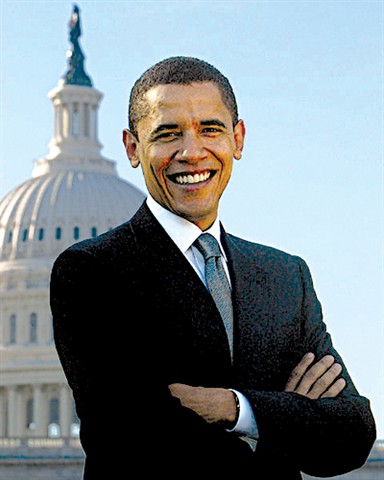
...vote. Fortunately, the US Embassy was helpful in providing information to make voting easier. … During the past few weeks, even now, I hear snatches of conversation that I don’t understand only to hear the word “Obama”. Ugandans, and many Africans, are truly excited about having an African American in the White House. It’s not just that Obama is African American, it’s that his father was Kenyan. Kenya neighbors Uganda, so in many ways it feels like Obama belongs to...
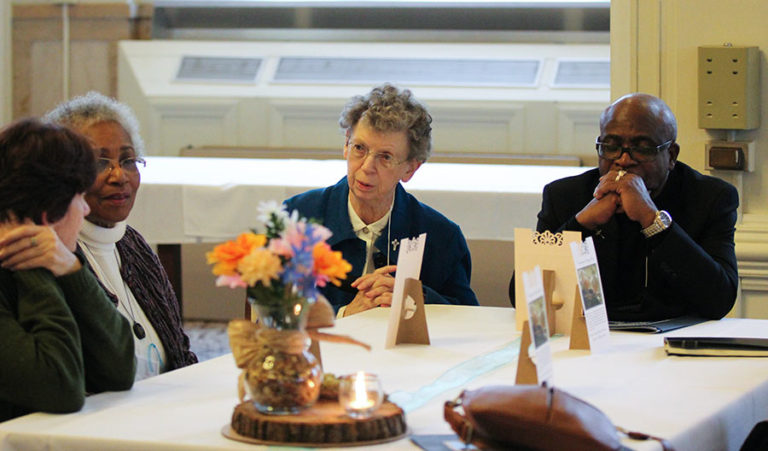
...I had the opportunity to welcome new members into the Church through the Rite of Christian Initiation of Adults (RCIA) program. Sharing faith gave me a perfect opening to call forth the gifts of individuals. As a result, many have since assumed leadership roles in the parish and in the archdiocese. Transformation and challenge Because we could foresee that the parish was becoming African American, Fr. Flynn encouraged me to attend a certification program at the Institute for Black Catholic...
...yourself how do I perpetuate violence or hunger in let’s say, Africa, which is as far, as far can be, from the U.S.? The continent of Africa has the natural resources and commercial power to become the richest continent in the world! However, oppression, bribery and exploitation by the West hinder Africa’s development. For example, Africa is known for producing one-third of the world’s cocoa, mostly in West Africa including the Ivory Coast and Ghana. But most of that cocoa is obtained...
...United States. Posted, Invisible Signs and Lines During Sister Kate’s early life, posted signs stating “Whites Only” and “No Coloreds Allowed” were common. Sister Kate’s childhood and early adulthood were spent in the Midwest and northeast of the United States where racism was hidden behind sundown towns, speed traps through rural areas and the invisible lines drawn through many cities and towns. African Americans living in the northern states were aware of these invisible lines. African Americans knew where and...

...years. Sister Rita entered the Congregation on July 22, 1945. She professed first and final vows on Jan. 23, 1948 and 1953, respectively. Sister Rita ministered as a teacher at several schools in Indiana, Illinois and California, including time at St. Benedict and St. Margaret Mary schools, both in Terre Haute, Indiana. In 1975, she began a ministry in nursing, eventually traveling to Alabama, where she ministered with Edmundite Missions, serving African communities. Sister Rita was a known card shark....

Sister Mary Margaret, formerly Sister Charles Agnes, was born on May 27, 1935. She died on Nov. 29, 2013. She was 78 years old and had been a Sister of Providence for 60 years. Sister Mary Margaret entered the Congregation in 1953. Her music education ministry began in Indiana at Sacred Heart, Evansville. She also taught at schools in Illinois and Texas. For 36 years, Sister Mary Margaret served the African-American community at Holy Angels Church in Indianapolis. She returned...
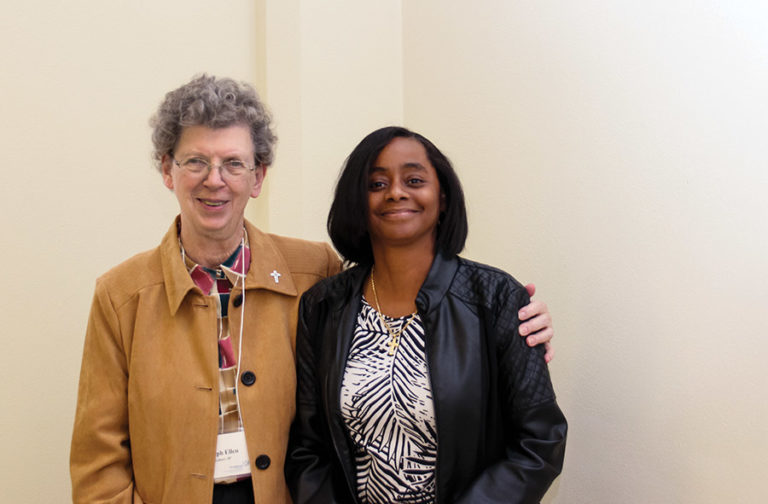
...When she joined the parish in 1976, St. Angela’s had five full-time priests. During the next 20 years, that number would dwindle to one part-time, non-resident priest. Over the years, Sister Joseph Ellen took on more responsibilities, becoming a pastoral associate. She was sent to the Institute for Black African Studies at Xavier University in New Orleans to learn “valuable insights toward understanding the African-American culture.” Gathering the flock So, with all of this and so much more behind her,...
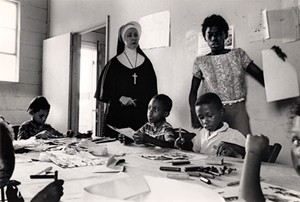
...and she was interested in learning more about Native Americans upon her arrival here from France three years earlier. In 1868, African Americans were banned from schools in Jeffersonville, Ind. Sisters of Providence provided classes for them after Liturgy on Sundays. In 1937, African American students were accepted at St. John Academy in Indianapolis for the first time. The Congregation also helped open St. Bridget School and St. Rita School, both schools in Indianapolis neighborhoods highly populated by African Americans....
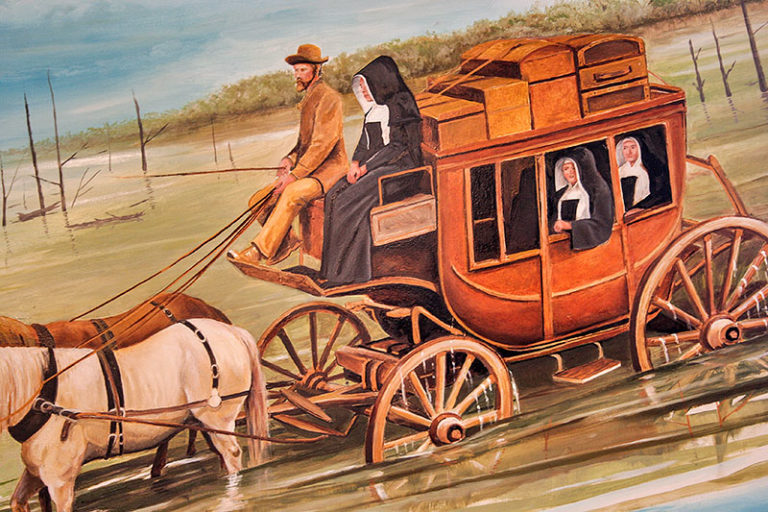
...causes financial hardships 1874–1883 Administration of Mother Mary Ephrem Glenn Dedication to the poor and underserved Soon after arriving, Mother Theodore starts a free school for children from St. Mary’s Village. Over the years, the sisters find many ways to care for people who are poor. They open St. Ann’s Orphanage in Terre Haute in 1876. Sisters teach religion to African-American children and teach Irish girls who work in cotton mills. They also staff the Holy Childhood Home orphanage in...
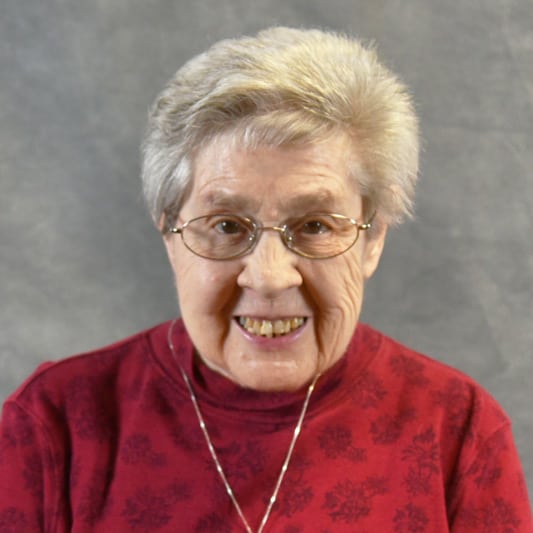
...on her list. Two of her three brothers had already entered religious life. Her brother J. William became a diocesan priest, but spent his priestly life in the Diocese of Corpus Christi, Texas. Her brother Rex became a Holy Cross Brother, serving many years as a missionary in Africa. She professed first vows on January 23, 1949, and perpetual vows on January 23, 1954. As almost every Sister of Providence in the 1940s, she began her ministerial life as a...